On June 5, the SF Parks Alliance dissolved. SF Parks Alliance served for years as the fiscal sponsor of this organization.
If you were paying dues via Classy as a recurring payment member, CHN has managed to stop all recurring payments as of June 5, and by now you have received refunds to either your PayPal, ACH, or Visa, etc., accounts for the dues/donations paid prior to
December 9, 2024. We refunded 71 dues/donations in the amount of $3,539.
Partners of the SFPA, of which we are one of 80 or so, have been notified that Jigsaw Advisors has started the Assignment for the Benefit of Creditors (ABC) process. We estimate our claim to be $29,426.16. CHN owes vendors $3,455.17, a majority of which is to our gardener who has suspended service. The balance is for operating expenses owed to board
members.
How Can You Help?
Many thanks to those of who have resubmitted their dues/donations that were refunded. Please reach out to us directly at [email protected] if you would like to donate while we are between fiscal sponsors. Your donation would be greatly appreciated and would go to reimbursing our gardener and continuing the
upkeep of our neighborhood parks.
The Latest
CHN, along with representatives of the Community Partner Network, is presently evaluating our options for a fiscal sponsor. Current status of combined efforts can be readat this link.
On June 26th, Corbett Heights Neighbors board members attended a special session of the Community Partner Network (CPN) advisory committee, which was formed to discuss the dissolution of the San Francisco Parks Alliance and determine next steps.
It was led by Ildiko Polony of Sutro Stewards. Roughly 40 people from different organizations were present. In addition to board members of community
parks groups, multiple nonprofit executives and finance gurus attended in order to share their guidance.
The CPN stated two goals:
What can be done to recoup funds asap?
Where can these funds be placed pending a fiscal sponsor?
Through pursuit of these goals, CPN has been:
--Communicating with affected groups and clarifying priorities
--Getting our story to the press
--Tracking
investigations
While it was acknowledged that the restoration of funds could take a period of time, there was a lot of optimism, much of it revolving around news that San Francisco philanthropists were discussing stepping in to restore the lost funds.
This newsletter will continue to update our membership on pertinent news surrounding the dissolution of the SFPA and next steps. While recent events have certainly presented a challenge, the
silver lining is the increased communication and teamwork with other neighborhood organizations like ours.
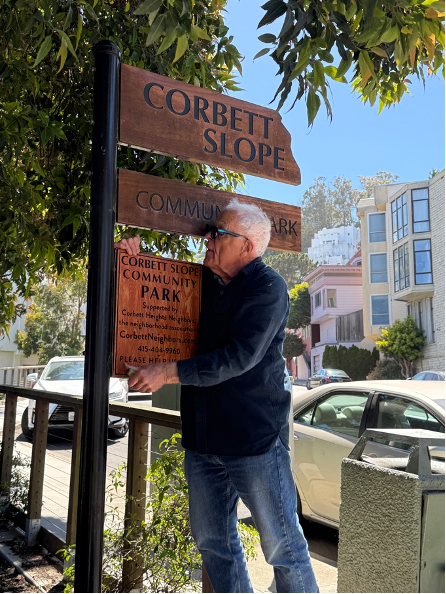
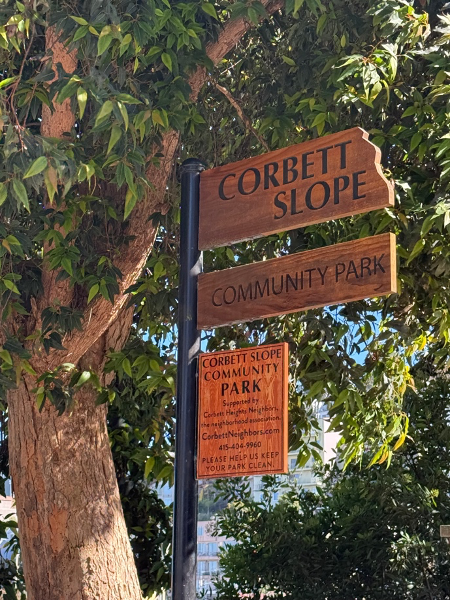
CHN Sign at the Slope
The sign proclaiming the works of SF Parks Alliance has been replaced with a Corbett Heights Neighbors sign. Thanks to John Koelsch for his talents.
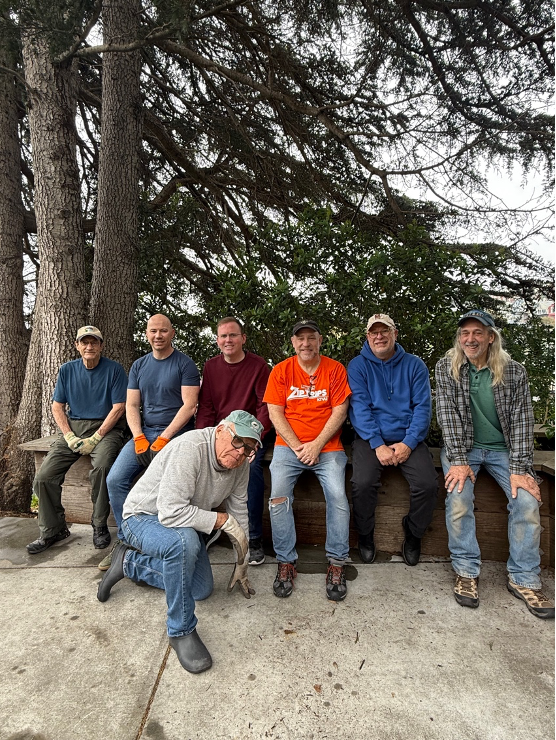
Bark Spreaders at the SLOPE Community Park
Thanks to neighbors, the Slope planter area has new bark and a good power wash.
Left to Right: Paul Allen, Colin Hughes, Alex Gripslover, Greg Rando,
Casey Rando, Richie Partington, and John Koelsch (front)
Traffic Camera on the 3000 Block of Market
Beginning August 5, officials will start mailing tickets with fines attached to the registered owner of any vehicle that exceeds a posted speed limit by at least 11 miles per hour. Penalties start at $50 for those driving 11 to 15 miles above the limit, and could rise to $500 for speeds of 100 miles per
hour.
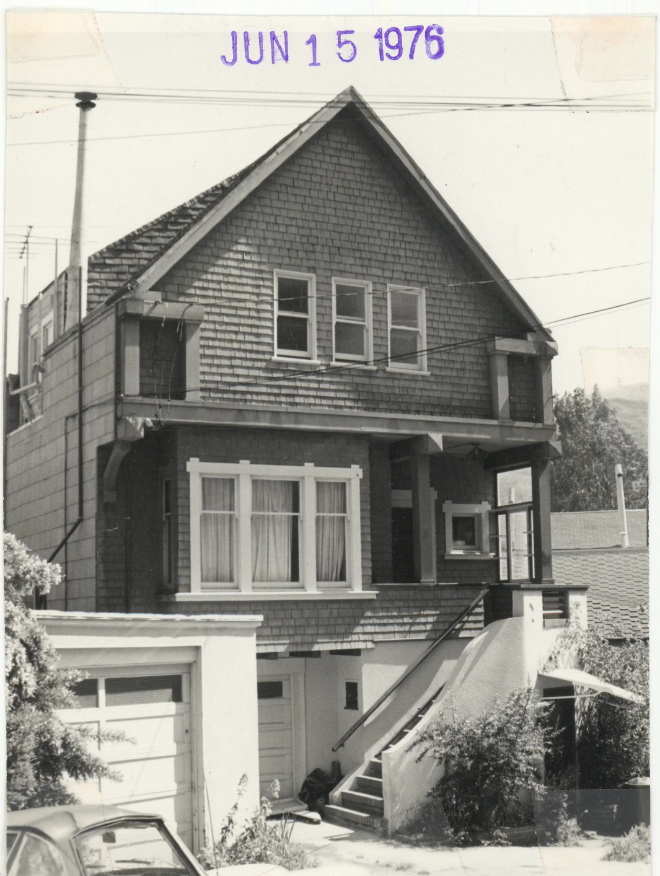
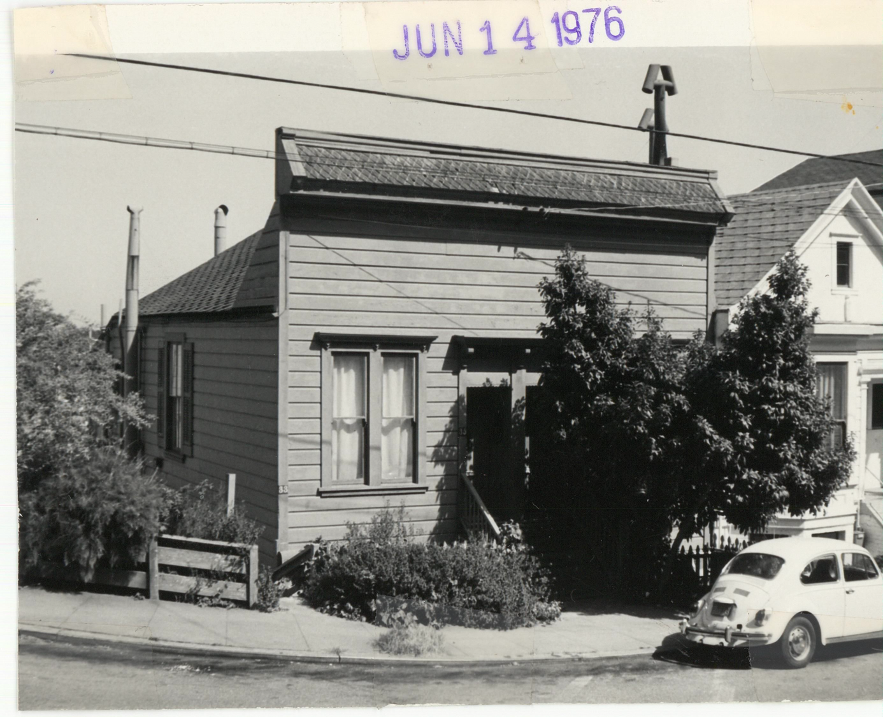
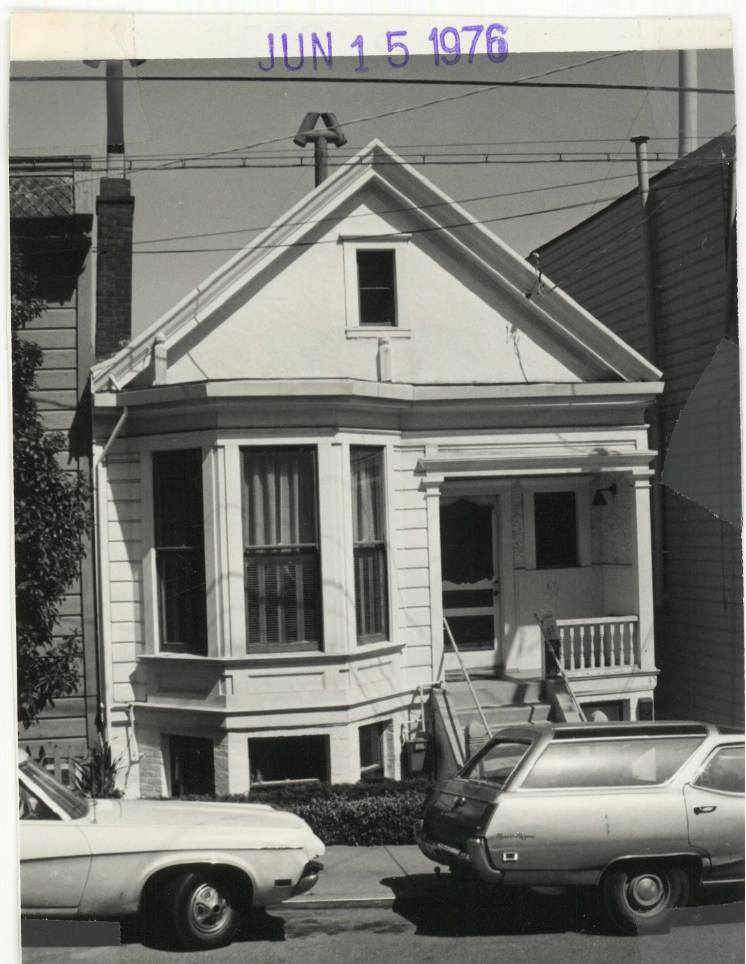
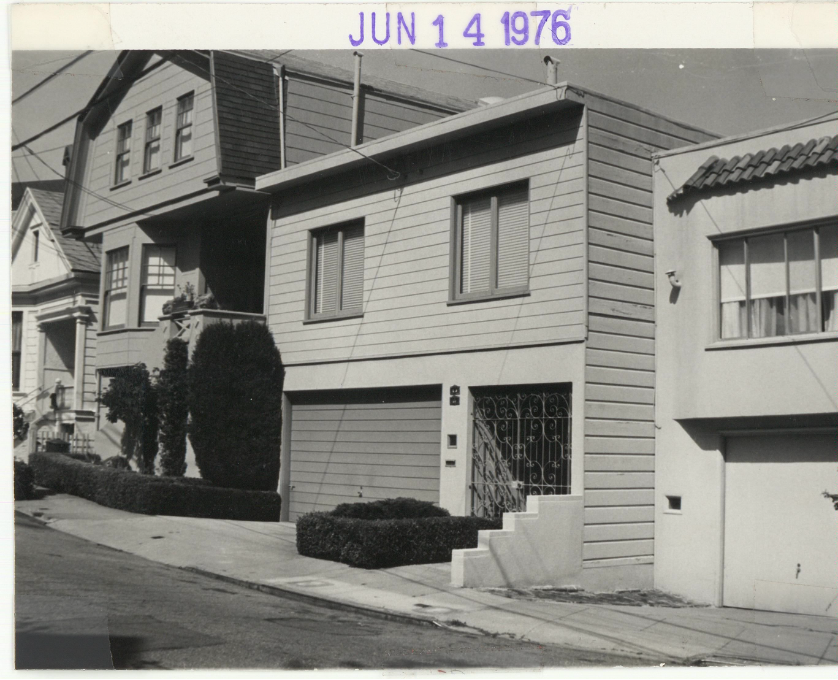
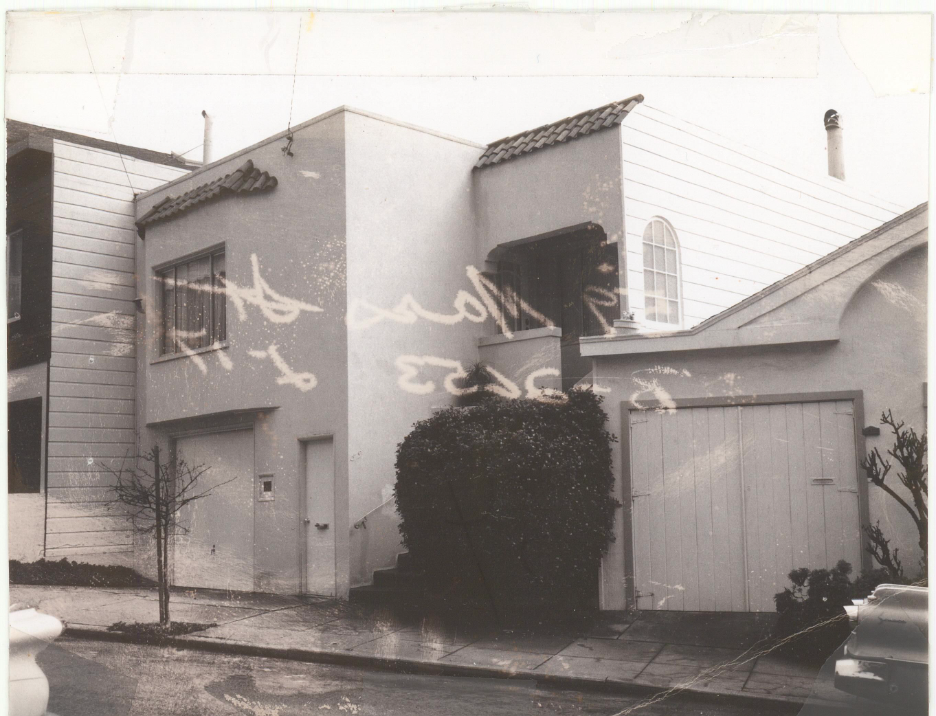
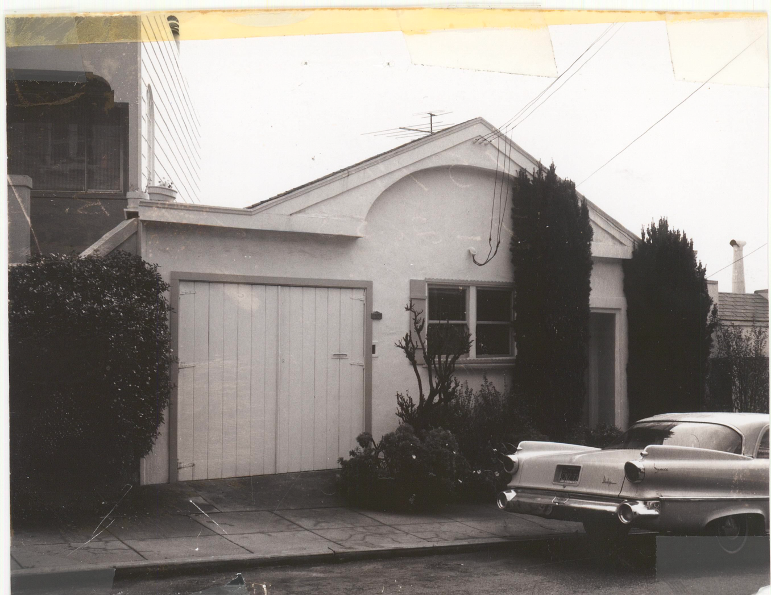
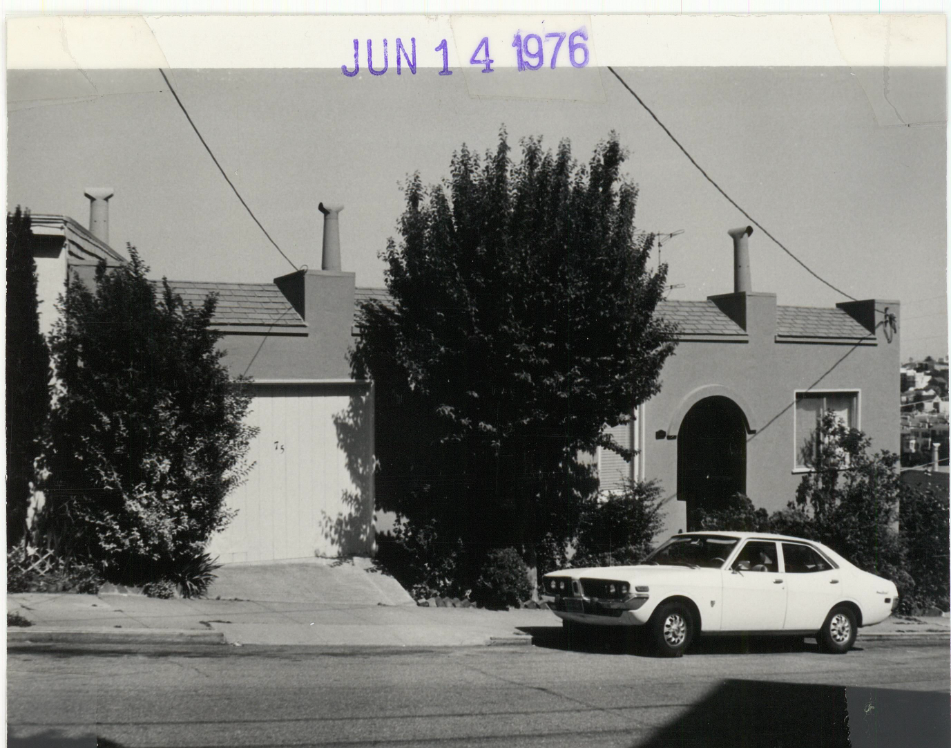
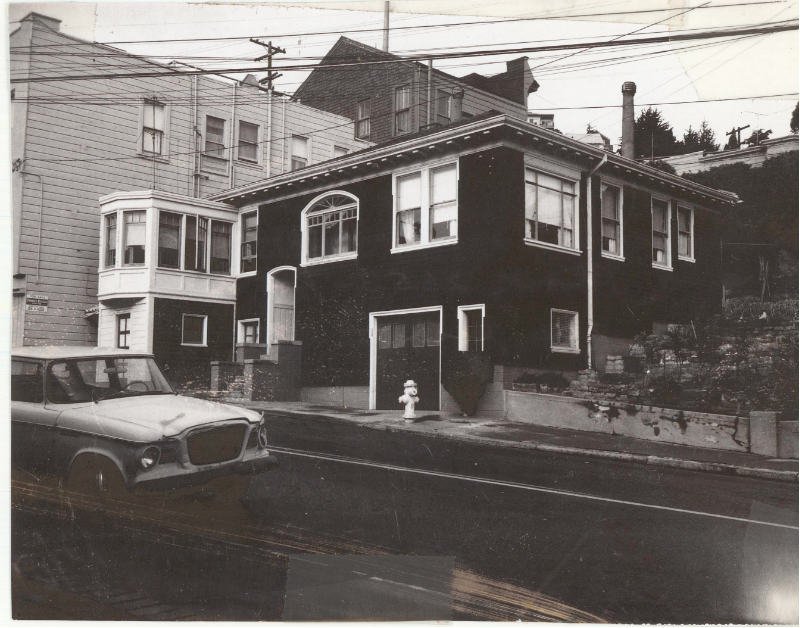
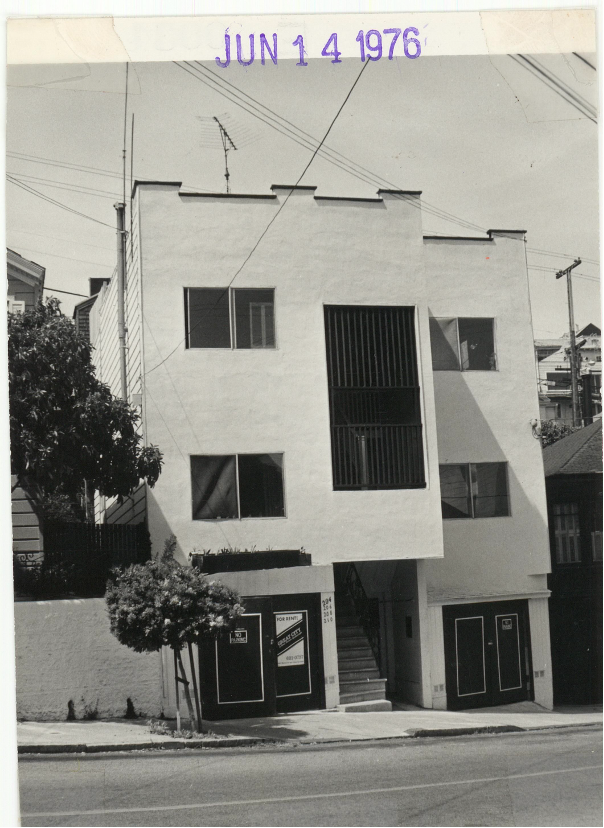
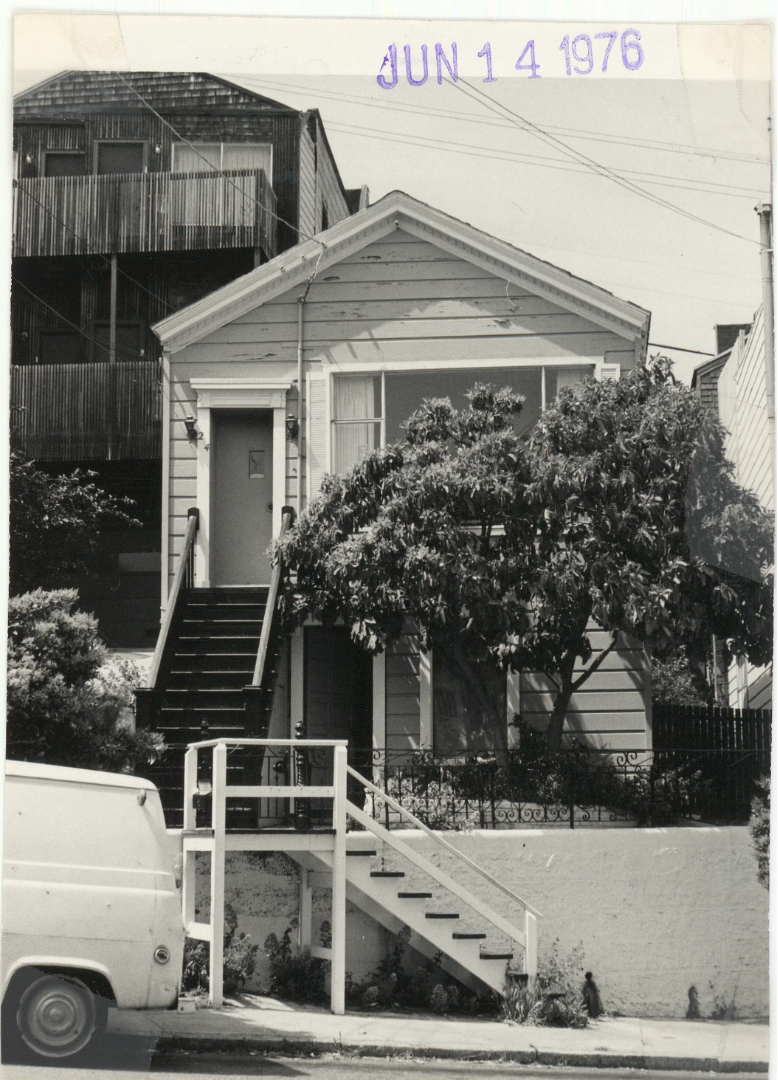
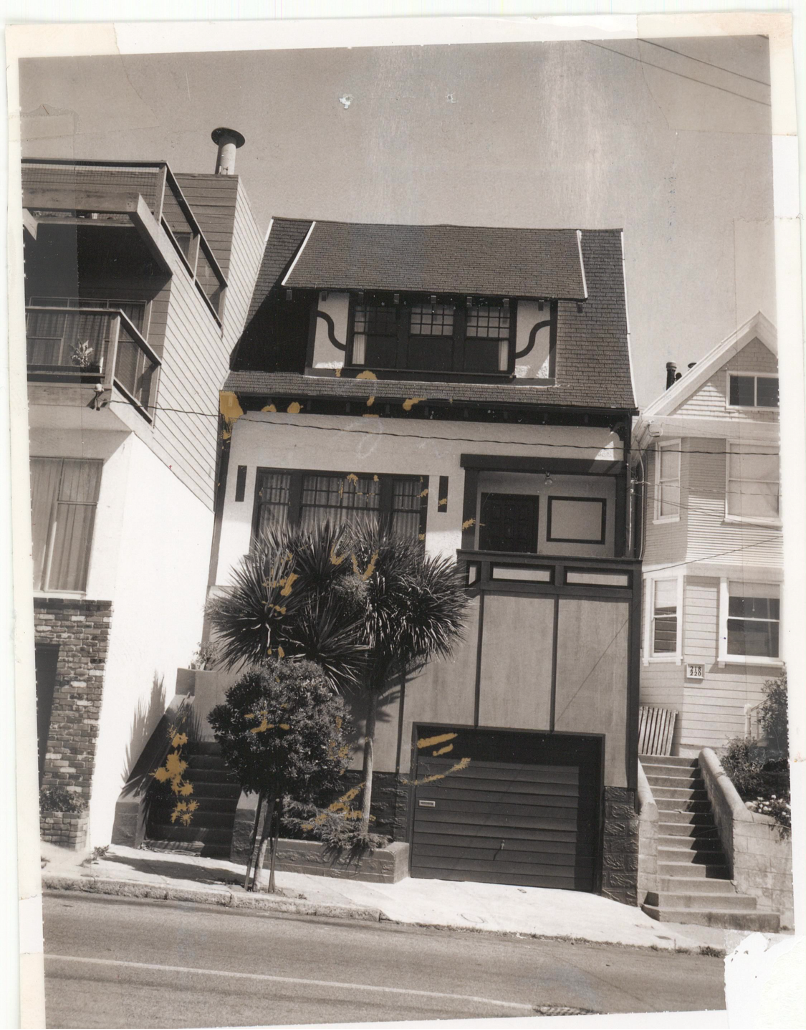
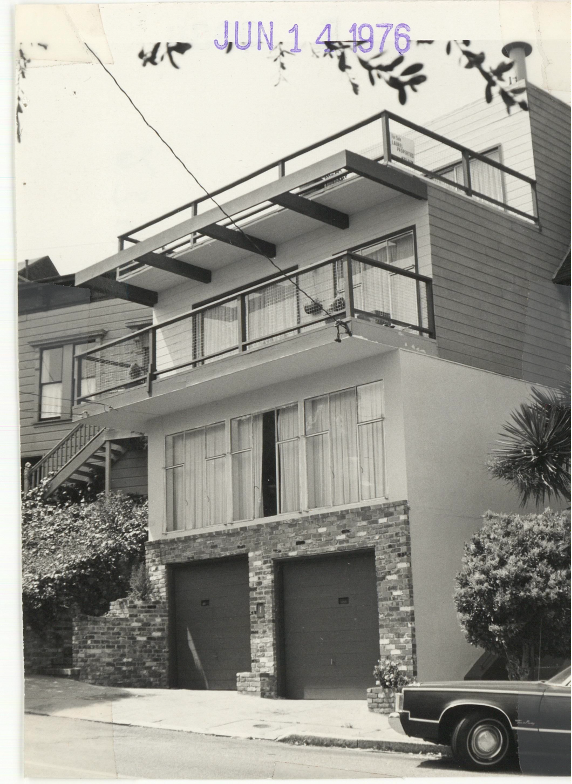
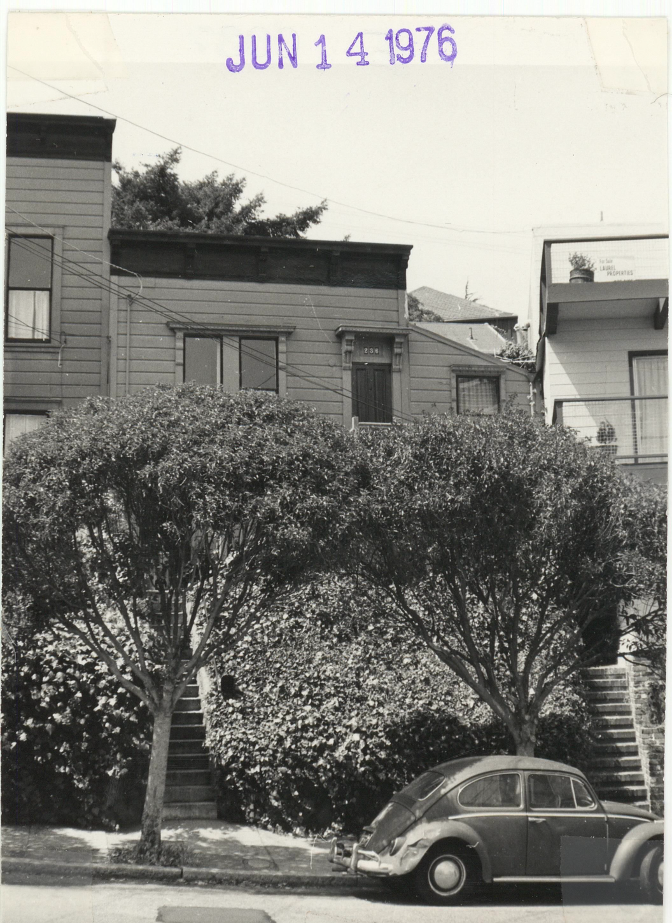
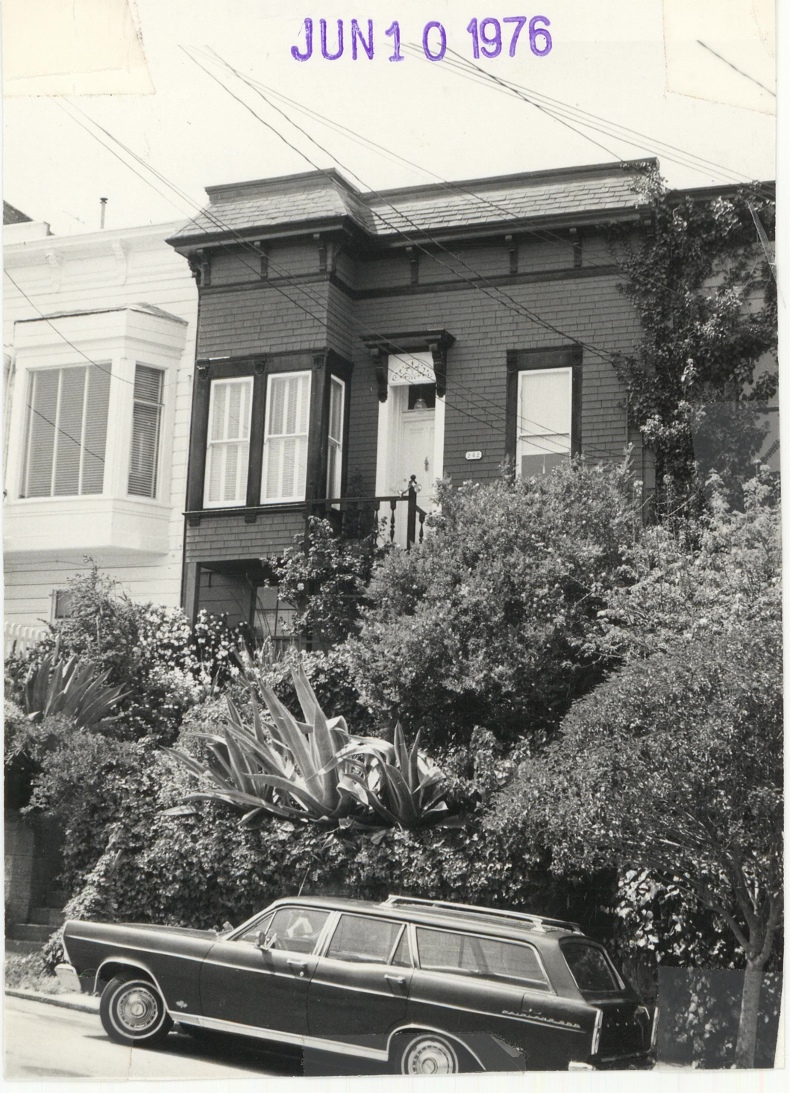
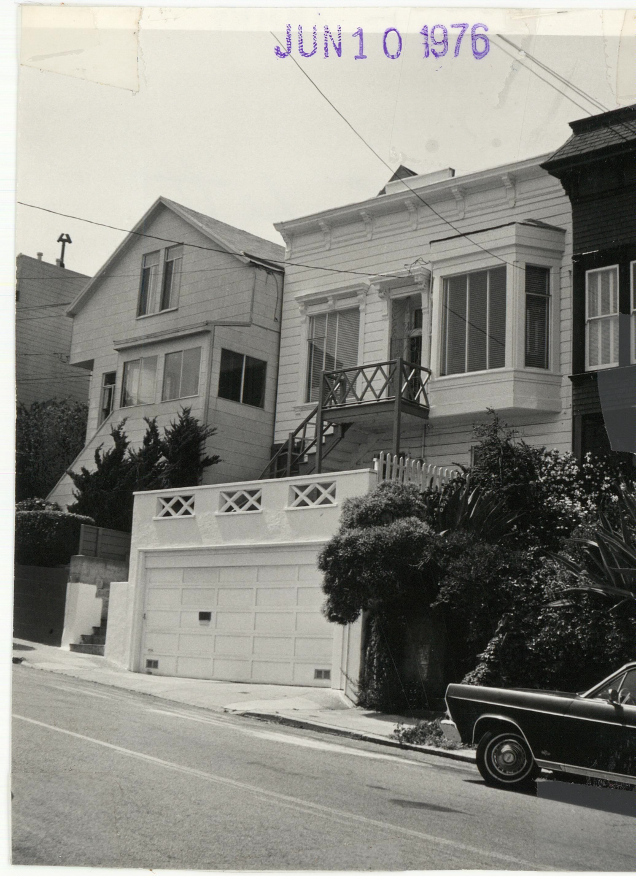
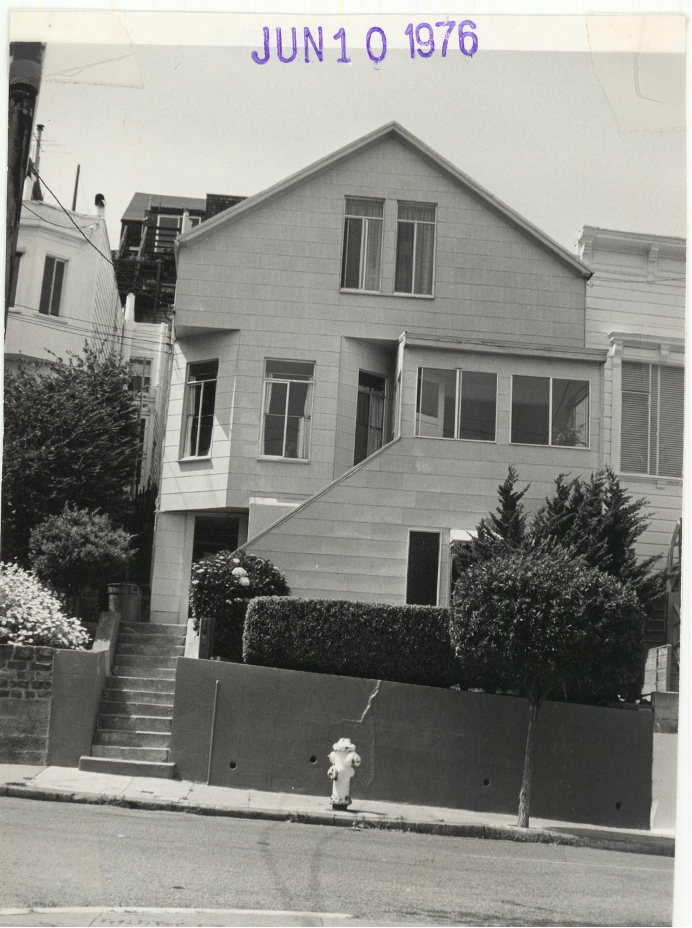
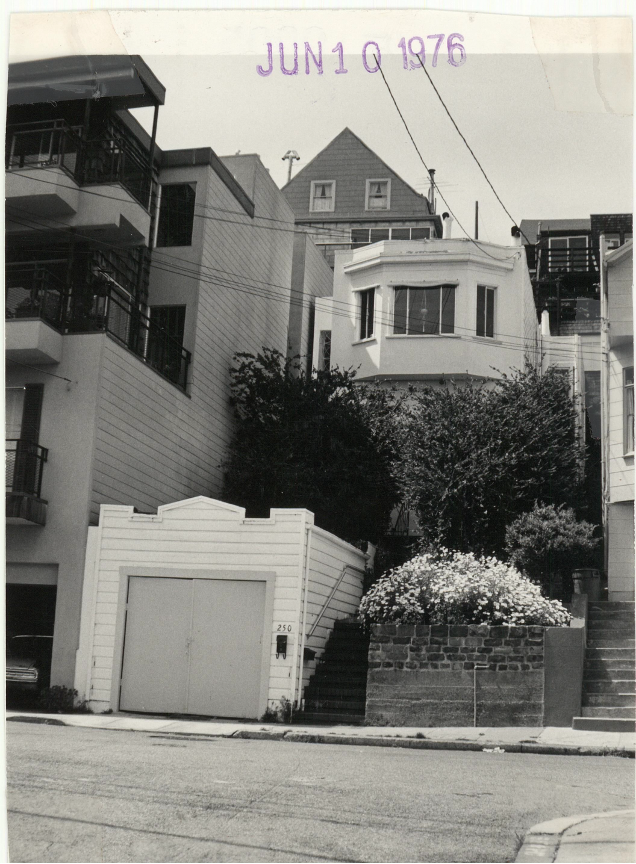
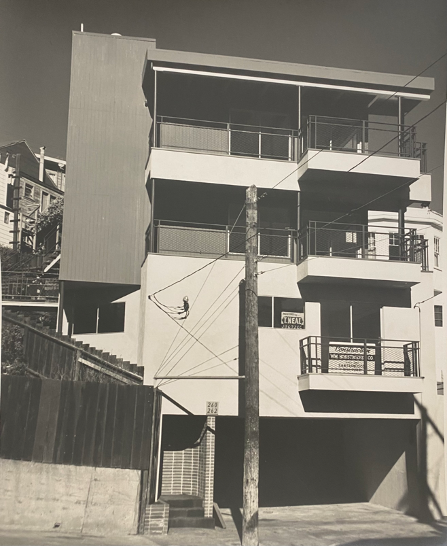
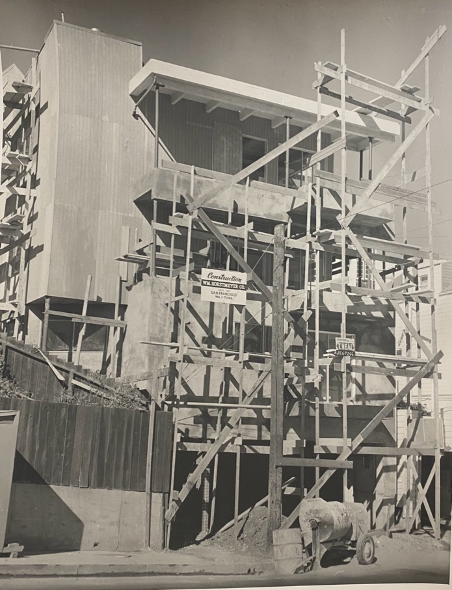
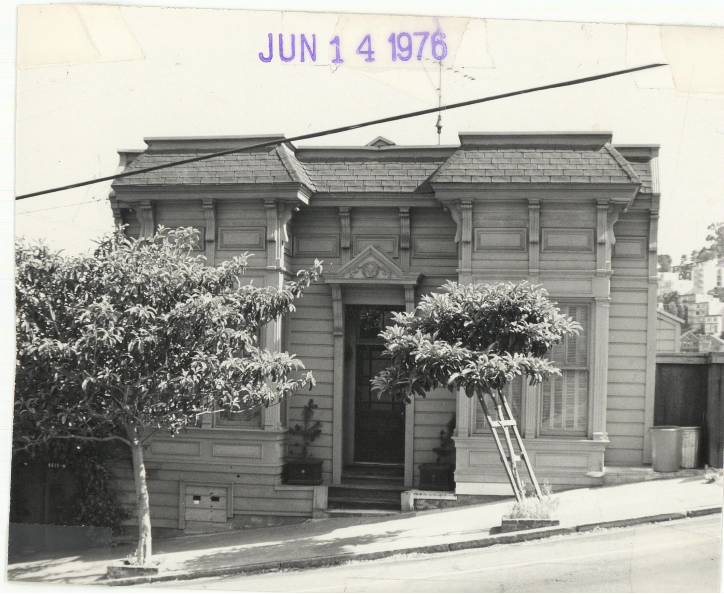
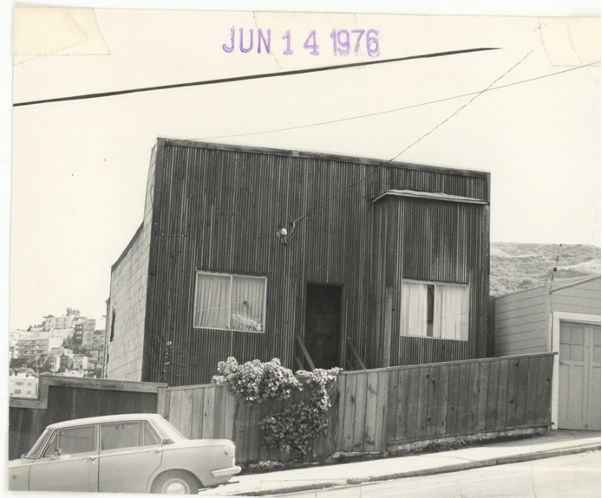
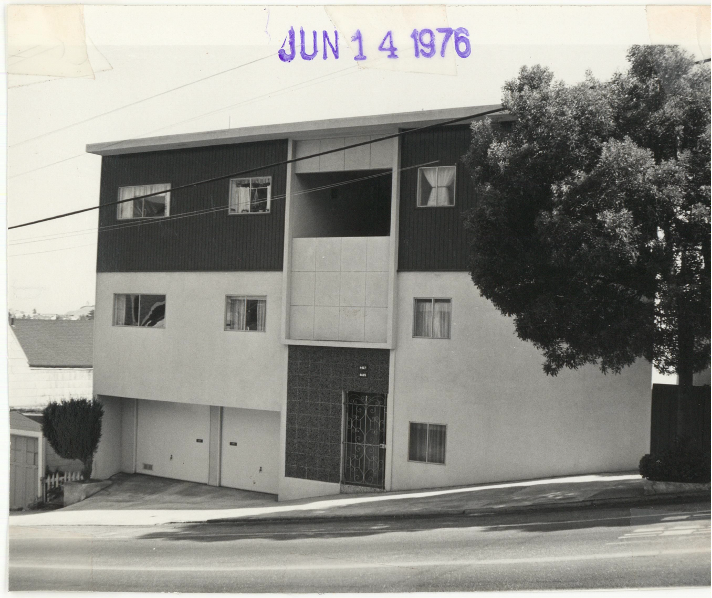
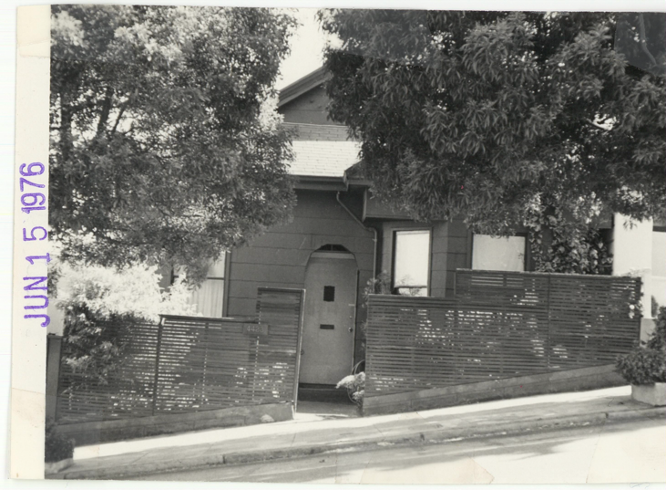
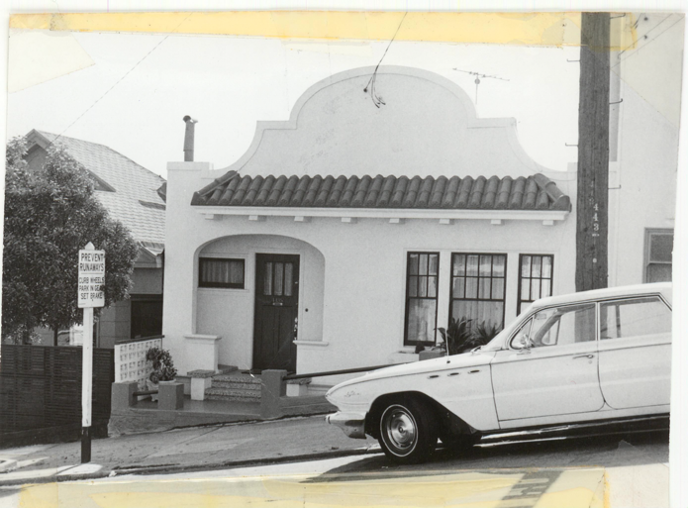
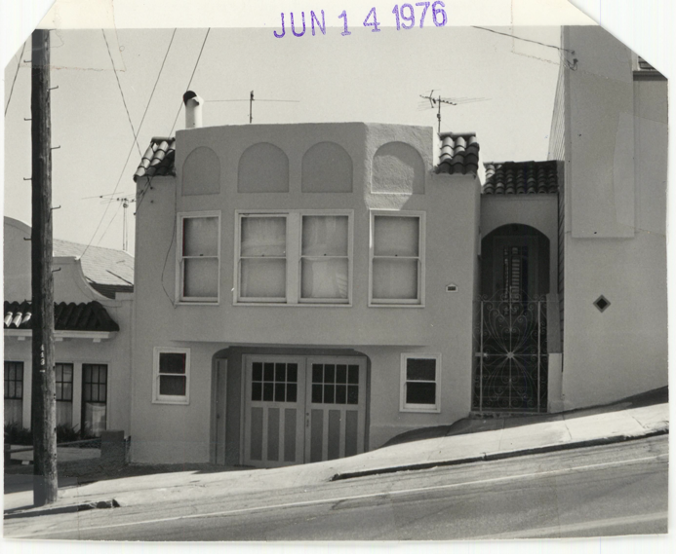
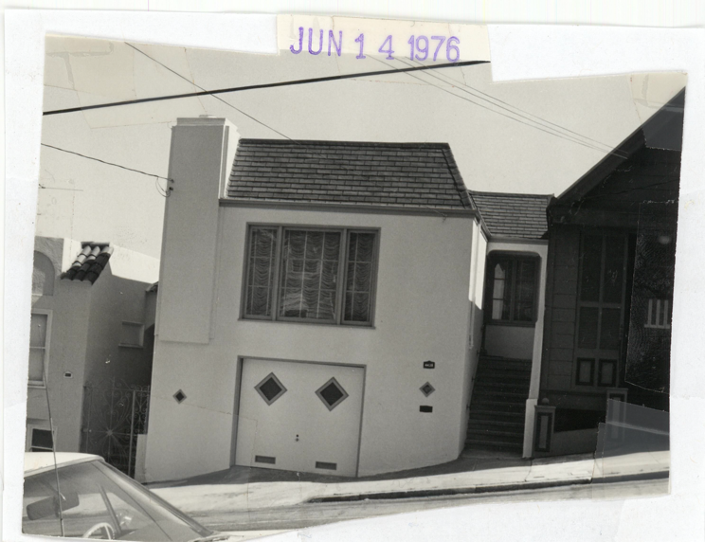
Block 2653 Photographs 1976
11-23 Mars (Mazda Miata 1970s)
33-35-37 Mars (greatly altered) (1972 VW)
42-43 Mars (Ford Torino & Buick Station Wagon)
51-53 Mars
59 Mars (1959 Dodge Polara)
65 Mars (1959 Dodge Polara)
75 Mars (demonished) (Mazda or Datsun)
200 Corbett (1961 Studebaker Lark)
204-210 Corbett
214 Corbett (Dodge Ram Van)
232 Corbett
242 Corbett (early 1970s Ford Station Wagon)
236 Corbett (1974 VW)
242 Corbett (early 1970s Ford Station
Wagon)
246 Corbett
248 Corbett
250 Corbett
260-2 Corbett
4411 17th
4417 17th
4425 17th
4433 17th
4435 17th (1963 Buick LaSabre)
4437 17th
4439 17th
Richie’s
Picks: CANDLE ISLAND by Lauren Wolk, Penguin Random House/Dutton, April 2025, 352p., ISBN: 978-0-593-69854-9
Richie Partington has recently moved to Corbett Avenue. He taught
children’s library services classes in the San Jose State MLIS
program. Richie has served on numerous American Library Association
award and selection committees, including the Caldecott Medal committee.
Richie generously and willingly agreed
to let us print this latest review.
“I think I'm gonna love it
I think I'm gonna love it
Because I know someday someone else will see it my way
And then I'll know I was not wrong
I know they won't believe it
I know they won't believe it
They think that I'm no good
But I will make myself understood
'Cause I believe it all along”
– Todd Rundgren, “Saving Grace” (1972)
“Six mysteries waited for me on
Candle Island.
One involved a bird.
The second, a hidden room.
A song the third.
A poet the fourth
A cat fifth.
A fire sixth.
Each of them exciting in its own way.
But none more interesting than the mystery I took there with me.”
– the Prologue
“‘I’m Lucretia,’ I said, holding out my hand, which he took after a thoughtful moment.
‘Lucretia. Unusual.’
‘I was named for a warrior, too. A Quaker warrior.’
He
lifted his brows. ‘Now, there’s an oxymoron. I thought Quakers were peaceful folks.’
The oxymoron made me smile. I liked a well-schooled tongue.
‘Lots of ways to fight,’ I said.”
Twelve-year-old Lucretia (Lucy) Sanderson, (named for Lucretia Mott), had a bright, loving, and compassionate father. But his vehicle encountered a patch of black ice near their Vermont home, and now he is dead.
Lucretia and her mom decide to restart their
broken life on a small island off of the Maine coast. Accompanying them is their beloved horse, “Hog” (Mahogany).
Both mother and daughter are painters:
“Painting made both of us feel happy and complete. Painting helped both of us fill up our empty places. But other people looked at us through two different lenses.
They saw my mother as a successful artist, but they had always told me that I was doing things wrong. Even when I was a little
kid. Before I entered kindergarten, the people at the school gave me a test to see ‘what I could do.’ ‘Draw a family,’ they told me, so that’s what I drew. A family of plums, with pudgy bodies and sweet faces, complete with eyelashes and dimples and hair made of leaves. ‘She failed the test,’ the people told my parents. ‘She was supposed to draw something like this.’ They held up a picture drawn by one of the other children. In it, three stick figures stood outside a square house
with a triangle roof under a round yellow sun. The stick figures all had legs and arms and fingers and heads and enormous, terrifying smiles. ‘But what’s wrong with what Lucy drew?’ my mother asked, half sad, half angry. Later, in the early grades, my art teachers all insisted I was being willful. Stubborn. Difficult. ‘She won’t follow directions,’ they told my mother. ‘Her colors are all wrong.’ They even tested me for color blindness. And then, when I was eight, a small
cultural center not far from where we lived invited local artists to submit work for a spring exhibit. My mother took two of her paintings and two of mine. She submitted all four of them as Sandersons. Nothing more. All four were accepted into the show. The man who ran the cultural center called my mother to tell her the good news. ‘Your watercolors are charming,’ he said, and your oils are really quite…interesting. We love their nontraditional use of color and how
they combine abstraction and realism. ‘Thank you,’ my mother said as I stood close by the telephone, listening in. ‘But those are my daughter’s. Mine are the watercolors.’On the other end of the line, silence. Then, ‘’How old is your daughter?’ ‘She’s eight,’ my mother said. More silence. ‘Well, we would love to have her in our youth exhibit in July,’ the man said.
‘But I’m afraid that this exhibit is for adults only.’
My mother looked at me; I looked at her. ‘I’ll come by tomorrow to pick up all four,’ she replied.”
So we learn from square one that Lucy has a mom who really stands by her daughter. We are not surprised that, when Lucy discovers a somehow-orphaned osprey chick (See #1 of the six mysteries list, up top.), her mother is accepting of Lucy’s desire to foster the chick Lucy names Gulliver (initially thinking he was
a seagull hatchling), until he can fend for himself.
Literally, from the moment they first reach Candle Island by ferry, Lucy encounters multiple complications and conflicts with her peers, both the permanent resident “townies” and the summer people’s kids. Bullying is a significant issue in the story.
CANDLE ISLAND is a good-as-it-gets coming-of-age tale filled with characters–both human and animal–who will be living in me for some time to come. It features
beautiful coastal Maine settings. It also features a seemingly endless stream of Ms. Wolk’s stunningly descriptive metaphors and similes that are as beautiful as that rugged coast.
This is one of those books that is going to change a life, a book in which some misunderstood reader will take refuge and find himself or herself.
I will stop there. Whether you read it now, or read it after it wins some big awards down the road, I don’t want to reveal the many
surprises awaiting readers. (See the six mysteries list, above.) CANDLE ISLAND is THE read not to miss in 2025.