CHN has been busy interviewing fiscal sponsors in July and will continue in August, aiming to have a signed agreement by the end of August. You will be notified as soon as the new fiscal sponsor is official.
Thank you!
Many thanks to those of who have resubmitted their dues/donations that were refunded and to those who contacted us at [email protected] to offer help and to donate while we are between fiscal sponsors. These funds will ultimately be transferred to the fiscal
sponsor and will be tax deductible if you itemize.
SF Government Audit & Oversight Committee Subpoenaed San Francisco Parks Alliance Board Treasurer and CEOs
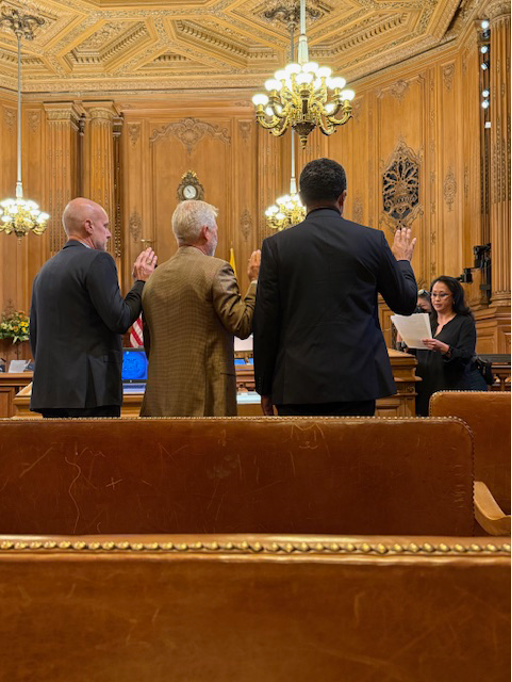
On July 16, Drew Becher,
long time CEO SF Parks Alliance, Rick Hutchinson, Treasurer, Board of Trustees, and Robert Ogilvie, CEO from February to June 2025, being sworn in just before being questioned for four hours.
Traffic and SFMTA Requests
In February, CHN requested some changes to traffic and SFMTA based upon the survey residents completed. One was completed quickly—a red zone at the blind intersection at Market and Merritt, west
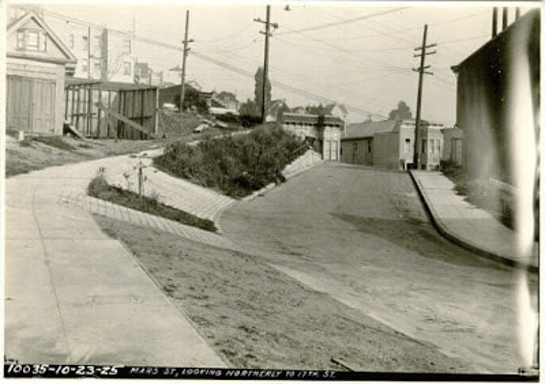
bound. Three others—intersections of Clayton and Corbett, States and Levant, and Ord and 17th are still pending. However, changes to the bus stop at Mars and Corbett are underway. As you know, there is now a three-way stop sign at this intersection. The 37 bus was stopping twice in both directions before and after Mars—at the stop sign and once again soon after for the bus stop. SFMTA is proposing to make the change east bound by moving the bus stop to the
traffic stop, but is unable to do the same west bound due to the steep grade and lack of sidewalk at the stop sign before Mars.
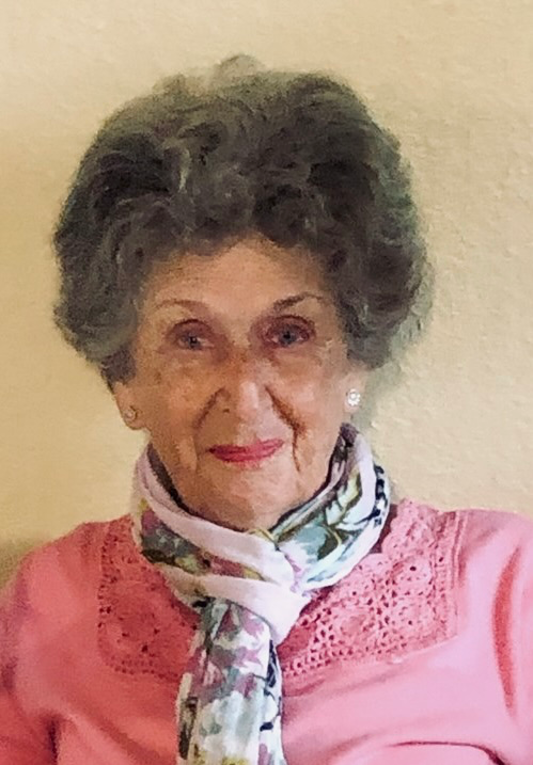
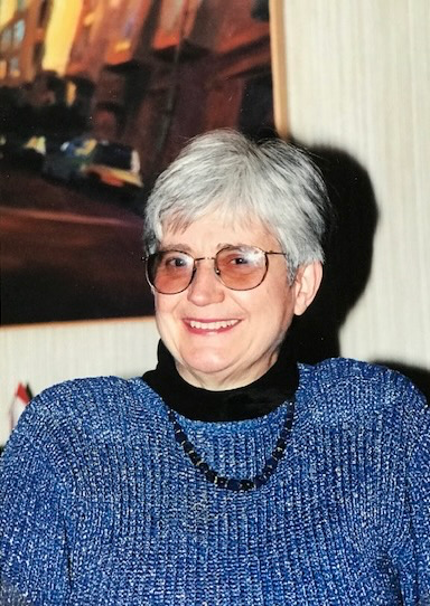
Nancy Peoples—1939-2025
Nancy is remembered as a very independent individual who was aways calm, positive, modest, and cheerful. Her parents bought the house on Mars in 1941 when she was two years old, after living across the street
prior to the purchase. She grew up on Mars, attended Grattan Elementary and Lowell High School, and worked as a legal secretary. She returned to Mars after the death of her parents. Nancy and a neighbor planted and cared for the small triangular strip of land at 17th and Mars Streets, named Sweetgum Corner. Gardening was her hobby. Nancy was a long time member of CHN and always supported its efforts. She rarely missed a membership meeting and attended her last in
September 2024, having walked from her house to the Castro Meeting Room. On her return trip by car she told us that she had lived on Mars Street her most of her life. She will be missed.
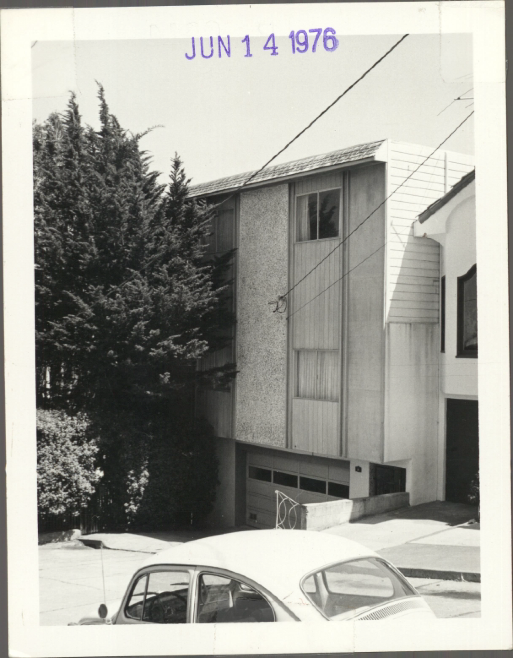
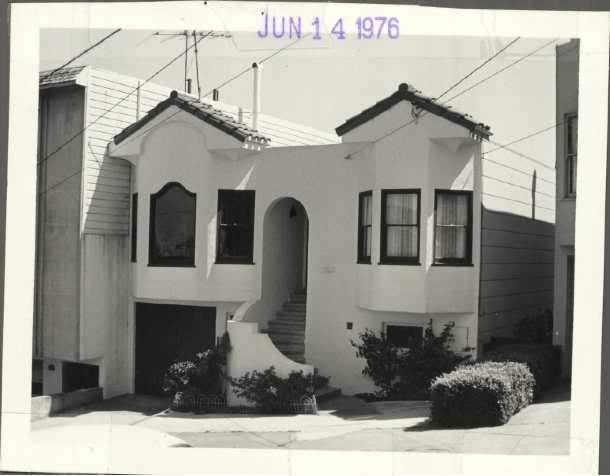
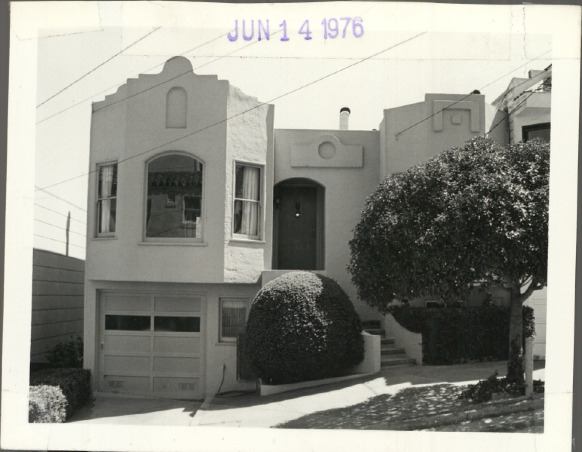
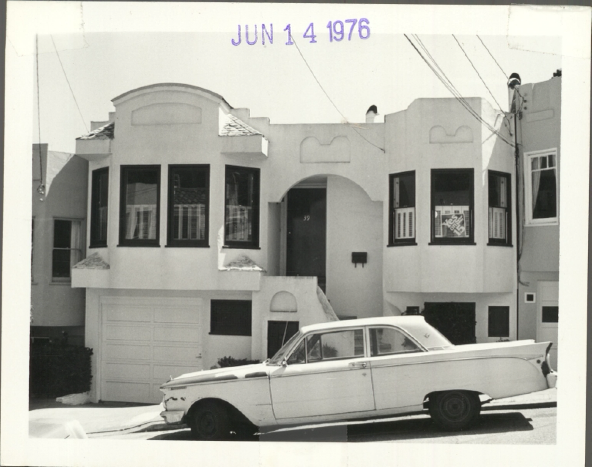
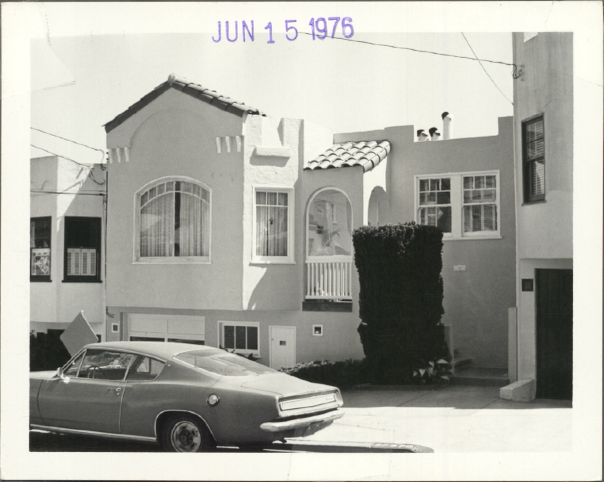
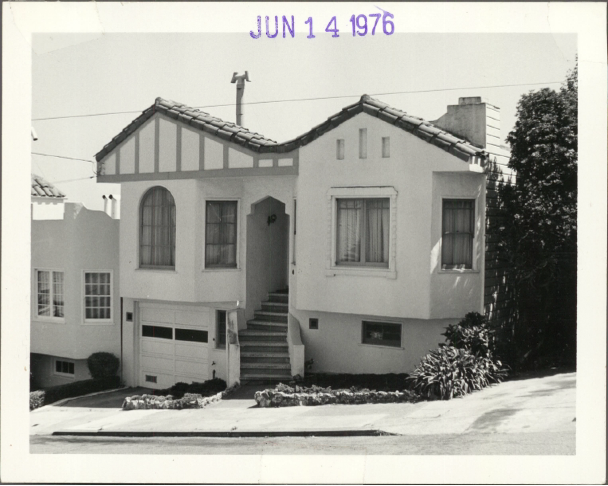
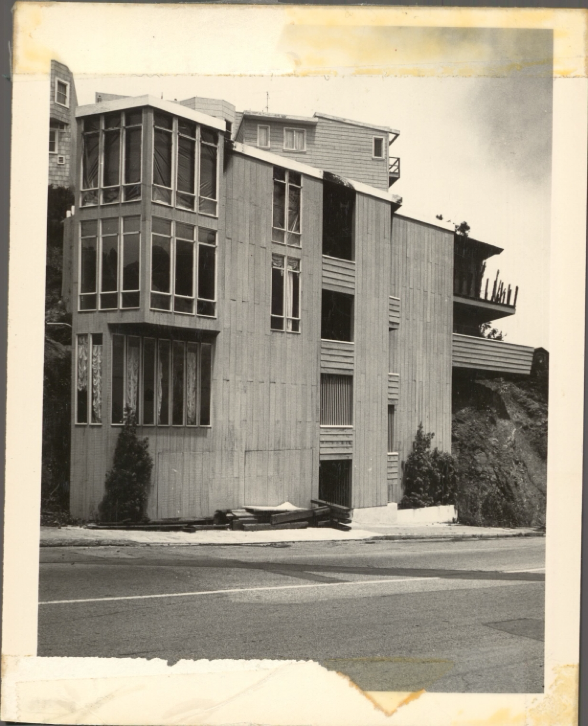
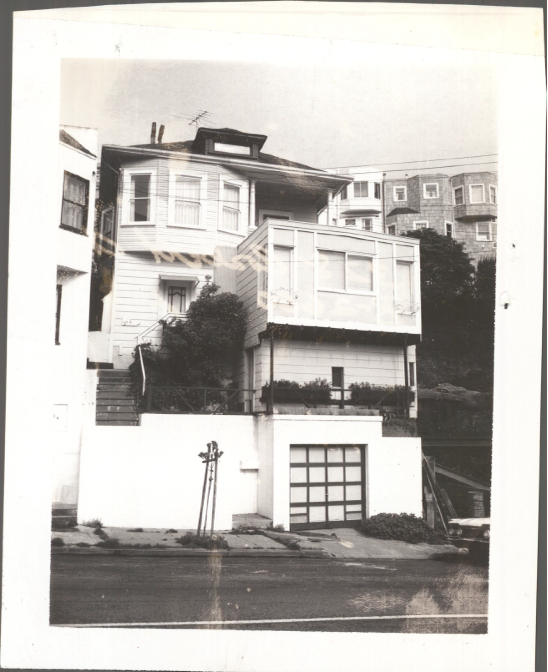
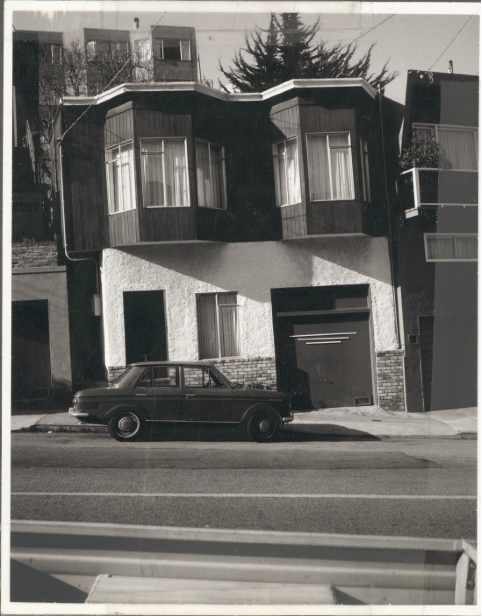
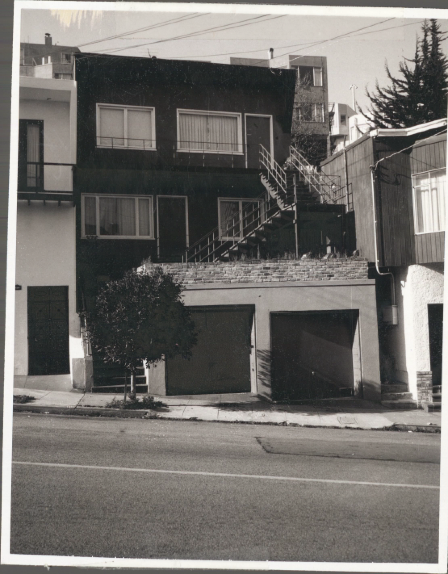
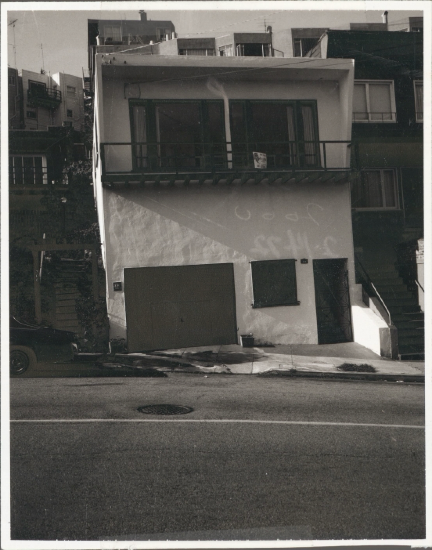
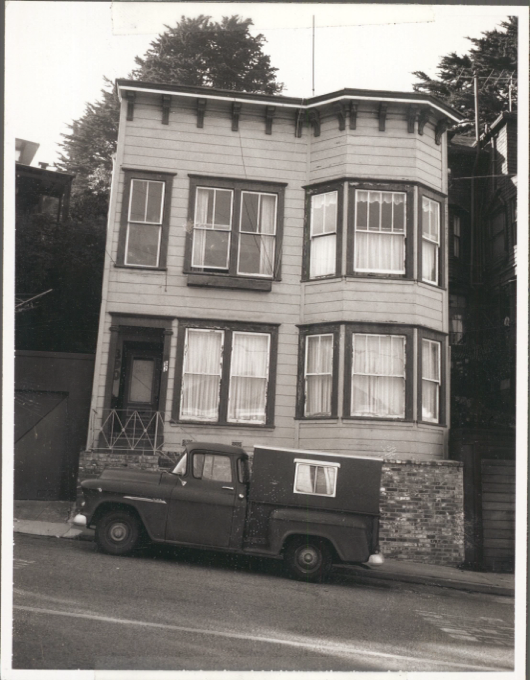
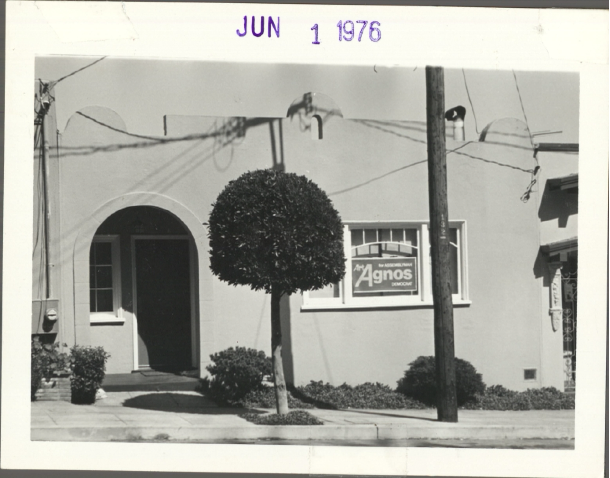
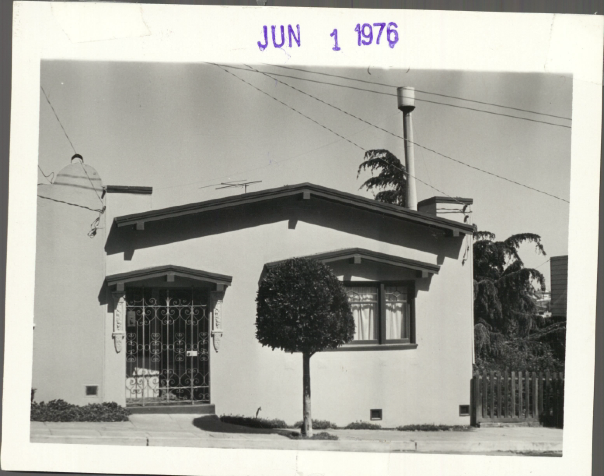
310 Corbett (1967) Formerly Wilt Chamberlain’s home
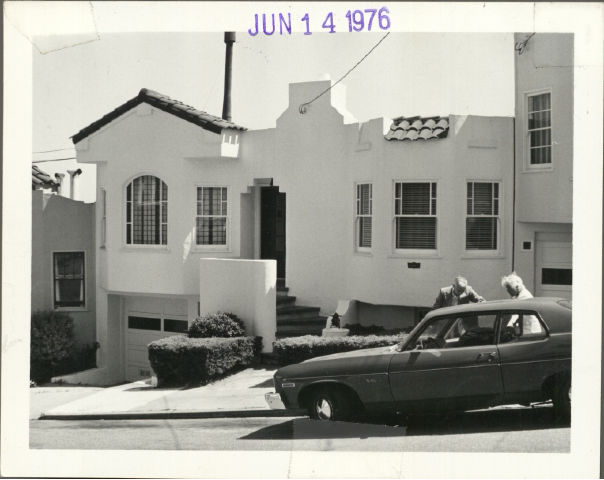
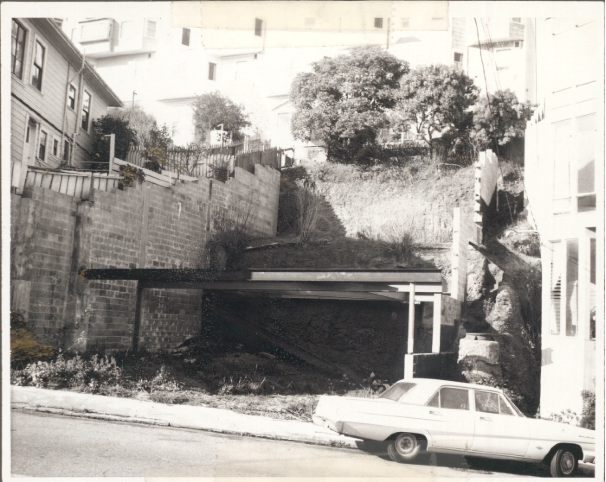
314 Corbett (1970s Dodge Dart)
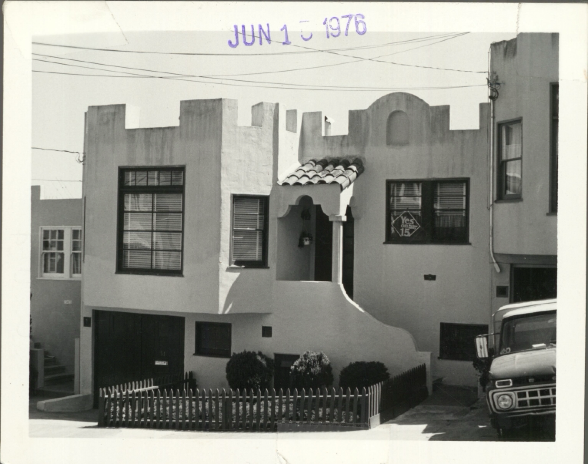
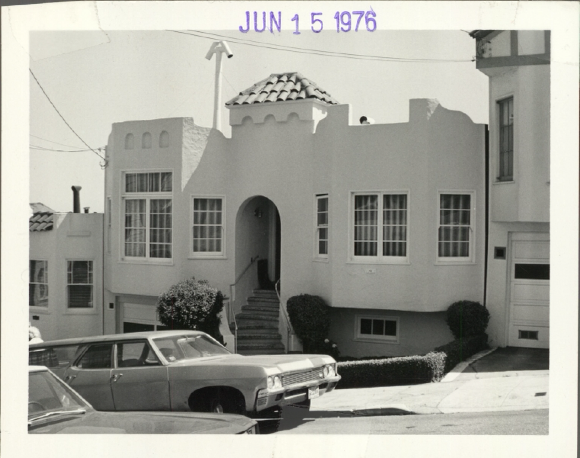
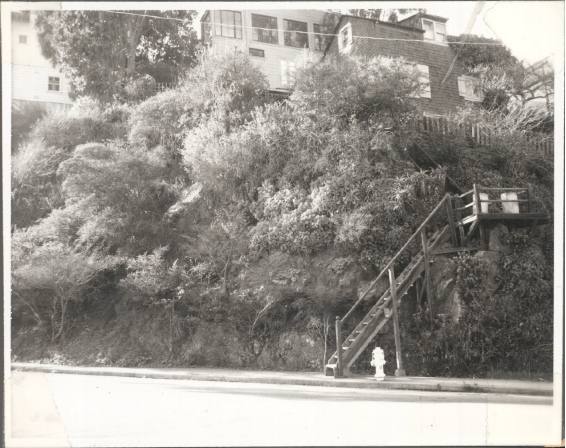
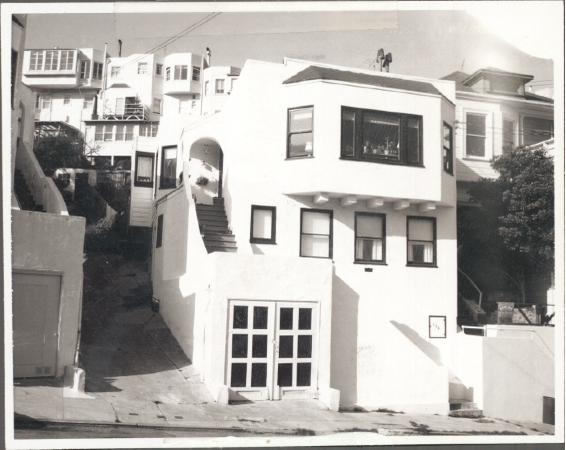
328 Corbett
334 Corbett
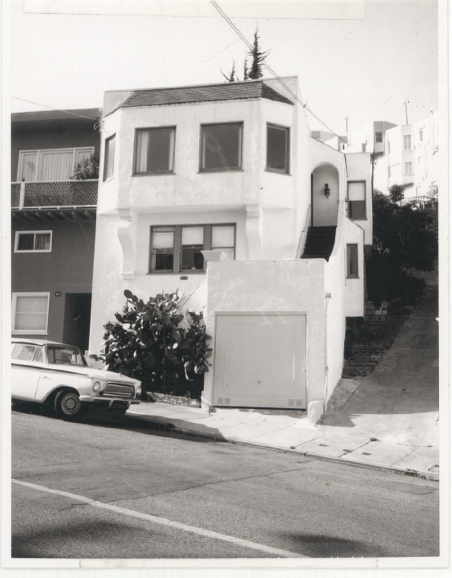
336 Corbett (1962 Nash Rambler)
340 Corbett
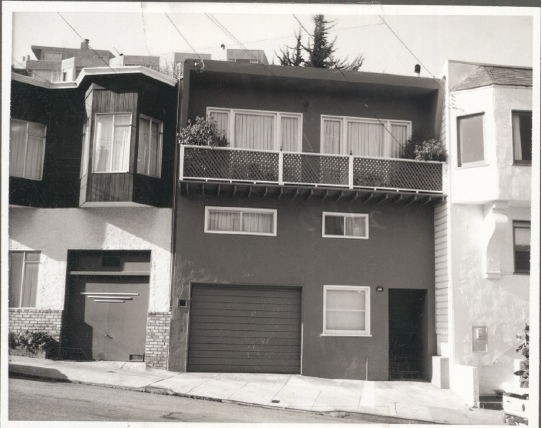
346 Corbett (1960s Datsun Toyota)
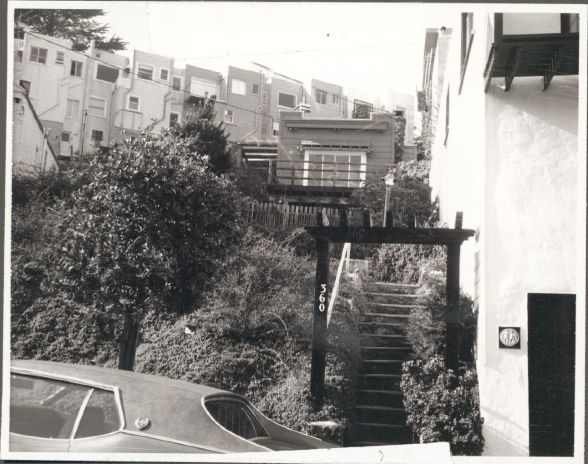
350-2 Corbett
354 Corbett
358-360 Corbett (1970s Cadillac)
390 Corbett (1964 GM Pickup Truck)
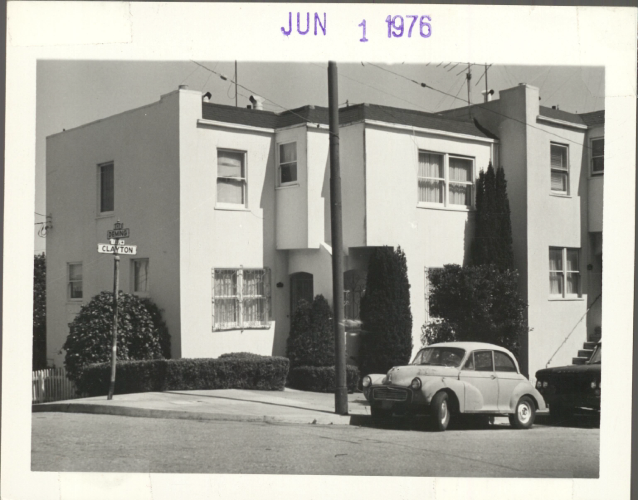
1300 Clayton (1960s Morris Minor & 1962 Dodge Pickup)
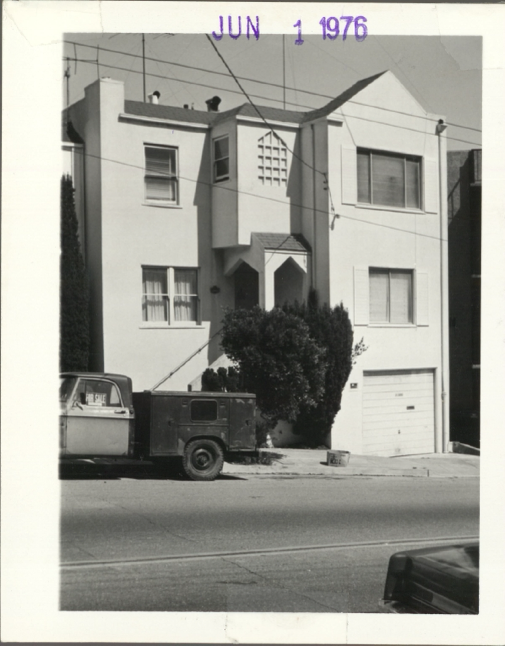
1306 Clayton (Dodge Utility Truck and 1970s Cadillac)
1320 Clayton
1325 Clayton
1328 Clayton
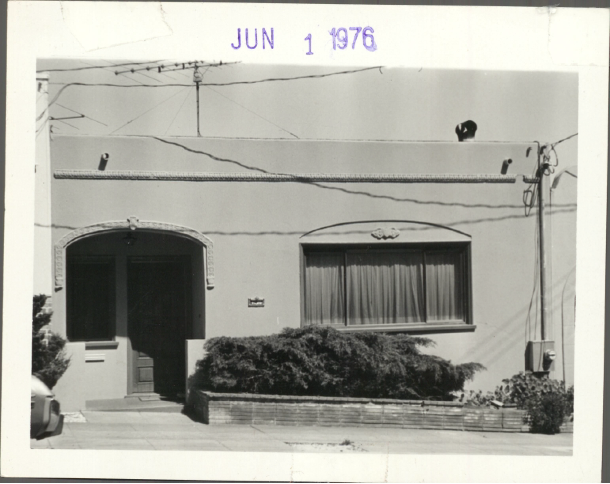
Block 2660, Lot 011E
Block 2660, Lot 011G
Block 2660, Lot 011I
Judith Hoyem—Remembrance
In April, veterans of engagement in our neighborhood, especially those involved in planning and historic preservation issues, were greatly saddened to learn of the passing of Judy Hoyem.
A once EVPA/EVNA Board member, a pivotal Chair and member of its
then Land Use Committee, Judy was a magnanimous and gentle spirit and at the same time initiative-taking and quietly determined. Resident of the neighborhood for over 50 years, she was a willing friend to all. She never failed to share, with CHN Board and residents, the insights and knowledge she had gained when they sought her help in trying to influence or undo an unjust bureaucratic outcome. Having schooled herself, through her own battles, she was a very significant resource for
others as they grappled with mystifying and frustrating procedures and, often, discouraging setbacks.
Though she lived just outside Corbett Heights Neighbors formal boundaries, Judy was very active in land use planning and development issues in our neighborhood. She often advised neighbors who were confronted with large development projects, sharing her considerable knowledge of the intricate workings of the San Francisco planning process. She is remembered with respect and fondness
by long time CHN Board and general members.
In the early 2010s, Corbett Heights faced a rising tide of plans for "monster homes". In response, in 2015, then-Supervisor Wiener's office proposed interim controls, requiring extra review of projects that exceeded certain square footage or infringed excessively on rear yard space. Judy was part of a working group who assisted then CHN President Gary Weiss help define the boundaries and criteria that were included in the
controls, adopted as the Corona Heights Special Use District in 2017.
Current and former EVPA/EVNA Board members remember Judy as “a dedicated and passionate supporter of the neighborhood and the City.....; a fierce defender of the Castro”, to which she had moved, in October 1971, into a distinctive 2-flat structure on 17th Street between Castro & Diamond. It would be her home for the rest of her life.
EVPA/EVNA and CHN Board members, and others, recall Judy as
“especially passionate about creating a diverse and vibrant Castro experience for all who lived and worked in the community.”
As a member of the EVPA/EVNA Board, “she contributed thoughtful and insightful comments during debates and discussions about changes in the neighborhood, as the Board sought consensus.... She and others represented EVPA/EVNA at city-wide meetings [and public hearings], always respectful of other’s opinions even when different from her own.” She “eagerly
volunteered to help with EVPA/EVNA sponsored everts”. An excellent writer, “she helped edit the Newsletter, which was in print form at the time.” Her essay, offering a 45 year-long story of the untended bare ground at Castro and Market, which became, under EVPA/EVNA guidance, “Pink Triangle Park”, written to give EVNA members and others context and historical perspective, is an example of her thoughtful character, thorough approach and graceful prose.
Jack Keating remembers: “I met Judy as she was campaigning to save the [Victorian whose long-time owner was seeking to demolish, first directly, then indirectly through neglect.] As a neighbor, I had always appreciated the... Victorians of the neighborhood but didn’t realize we needed to work to [retain] them. Judy educated me in her detailed manner; always patient, thorough and never backing down from what she believed was important.
[As Land Use Committee
member] “Judy would ask tough questions, research plans and pose alternatives, always trying to find the right balance.... She did it without ever, (that I can recall), raising her voice. [She] would host meetings in her upper flat, [where], surrounded by her Scandinavian and Japanese décor, we would discuss, debate and get to know each other better--becoming friends. She was motivational to many”, on all sides of the debate.
“Judy had some significant “wins” including
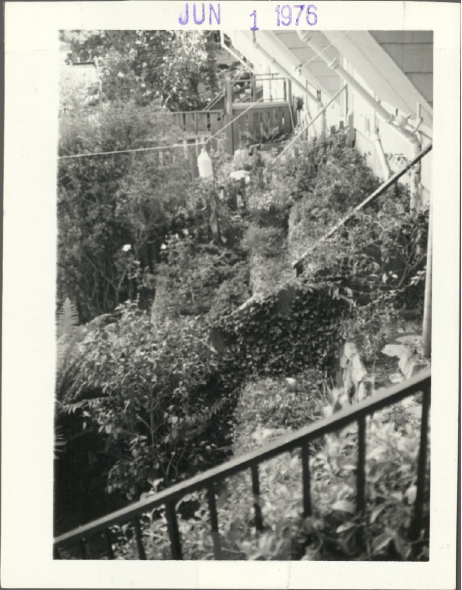
the landmarking of her own home, the retention and rehabilitation of the neighboring Victorian, the enactment of the Corona Heights Special Use District, and as a member of the Friends of 1800 Market, the retention and reuse of that exceptional structure and contributed to many small ones.
“I learned a lot from Judy, including to never underestimate what a small group can achieve, ‘sticking to our guns’ and the value of collaboration and compromise; plus to always be
prepared! “
Judy was born Judith Bordin, in Philadelphia in December 1936. She married in 1957 and subsequently had two sons. Her study and practice of Zen Buddhism, was “the major thread running throughout her life.” In the 1950’s, in New York City, she and her husband became students of a teacher who had come to the US to lead Zen teaching at The First Zen Institute of America. In 1960, with their 8 month-old first son, they traveled to Japan by freighter to
enroll in formal Zen training. As Judy would write years later, “We had little money and many illusions but we were young, innocent, sincere and enthusiastic ... seekers after spiritual truth and ready to undergo whatever training would lead us there.”
Their second son was born there. They returned to the US in 1963. For the rest of her life, Judy sustained close relationships with her original teacher and his successor and many others in Japan. She hosted monks in
her home and visited Japan repeatedly. Buddhism’s importance to her is intimated by the unusual finial crowning the turret of her iconic 17th street landmark.
Judy divorced in the late 1960’s and later married a second time, moving to 17th Street in 1971, with her two, still young sons, from Berkeley where she was employed at the University of California.
Ever modest, many may also not know that Judy was Director of the English as a Second
Language Program at UC Extension, then located at its Laguna Street campus, retiring in the 1990’s. The program is said to have been entirely tuition-funded, with Judy responsible for recruiting students sufficient to sustain its continued operation. She did so by traveling extensively abroad to recruit the students; then nurturing and mentoring those who enrolled to help ensure their success.
In very recent years, Judy’s health quietly declined. Her engagement in the
issues on which she had long reliably and enthusiastically spoke up, along with her outgoing spirit, grew less present among us. To those of us who worked with her, she remains an inspiring example of the potential for individual efforts to change outcomes for the better.
Judy was exceptional. Memory of her leaves an enduring impact on those who knew her. Her delighted, optimistic and inclusive spirit will continue to enrich our lives and outlooks. Her efforts
made our neighborhood a much better place.
Jack again speaks for many of us........” She has always been one of my favorite people in the neighborhood. It was comforting to have her here. She was a grounding force.”
Thank you to Jack Keating, Mary Edna Harrell, Leslie Koelsch, Susan Detwiler, Andrew and Owen Laws and Steve Hall for their help in creating this Remembrance.
WHO MEOWS? A BOOK OF ANIMAL SOUNDS by Robin Page, Simon & Schuster/Beach Lane, May 2025, 32p., ISBN: 978-1-6659-5956-8
Richie Partington has recently moved to Corbett Avenue. He taught
children’s library services classes in the San Jose State MLIS
program. Richie has served on numerous American Library Association
award and selection committees, including the Caldecott Medal
committee.
Richie generously and willingly agreed to let us print this latest review.
“Horse went NEIGH!
Cow went MOO!
Sheep went BAA!
Dog went BOO!
Goose went QUACK!
Duck went SPLISHY-SPLASHY!
Hen went CHIPSY-CHOPSY!
Cat went FIDDLE-I-FEE! FIDDLE-I-FEE!”
–from the version of the traditional folksong that I was taught in my 1988 Early Childhood Education Music and Movement class, and which I subsequently taught
to a generation of preschoolers.
“Who meows?”
[page turn to a spread with a full-page in-your-face cat face]
“A cat meows.
Who gobbles?”
[full-page in-your-face turkey face]
“A turkey gobbles.
Who croaks?”
[full-page in-your-face frog face]...
The husband-and-wife team of Steve Jenkins and Robin Page have created a good number of memorable nonfiction picture books about critters past and present, large and
small. They include APEX PREDATORS: TOP KILLERS OF THE PAST AND PRESENT; DOWN, DOWN, DOWN: A JOURNEY TO THE BOTTOM OF THE SEA; and the wonderful Caldecott Honor book, WHAT DO YOU DO WITH A TALE LIKE THIS? Thanks to the high-quality information contained in these books, coupled with Page’s award-winning artwork, I consider them picture books for older readers (certainly up through third or fourth grades)..
WHO MEOWS? is perfect for a younger audience. Here, artist Robin Page
has crafted a picture book with a predictable call-and-response sequencing that is matched with truly awesome facial depictions of owls and cows and crows and mice and (“Who giggles?”) a great image of a giggling young rug rat.
WHO MEOWS? takes me back, half a lifetime ago, to the child development center where I was then spending my days setting up free-choice activity centers and leading daily morning and afternoon circle times. WHO MEOWS? is one of those books that early
childhood educators leading circle times can employ a couple of times a month forever and ever.
You read them the prompt: “Who meows?”
You get them to all call out the answer. “CATS!”
You then encourage them [with a hand cupped to your ear] to get them to all get their meows out for a few moments. Then you move on to the next prompt.
These exciting interactive circle time readings can readily be reinforced with free-time
opportunities for the young students to craft animal masks, paint animal pictures, bring in photos to share of their pets or neighborhood critters; and engage in related dramatic play.
And you can get them singing great animal songs like Fiddle-I-Fee.
I ain’t just quacking, folks. You definitely need to see these awesome creature faces!